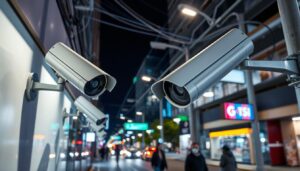
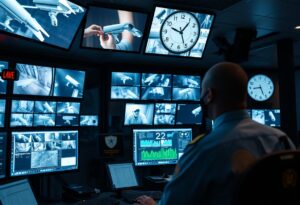
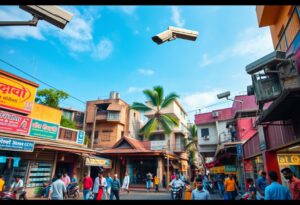
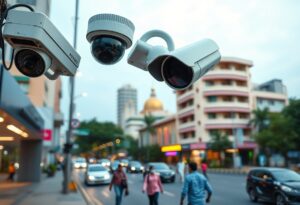
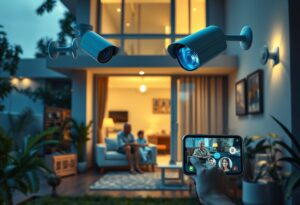
You can enhance your security strategy significantly through remote monitoring. This technology empowers you to keep an eye on your property from anywhere, ensuring constant surveillance and immediate alerts in case of threats. With remote access to real-time footage, you gain peace of mind, knowing you can act promptly in emergencies. Moreover, it helps in reducing response times and improving overall safety, making it an important component of modern security systems for you and your loved ones. In this context, the use of surveillance cameras in modern security cannot be overlooked. These devices not only deter potential intruders but also provide valuable evidence in case of incidents. By incorporating high-definition video and advanced features like motion detection, you can further enhance your surveillance capabilities.
Key Takeaways:
- Enhances security by enabling real-time surveillance and instant alerts for unusual activities.
- Reduces operational costs by minimizing the need for physical security personnel on-site.
- Offers remote access to data and control, allowing users to monitor systems from anywhere at any time.
Understanding Remote Monitoring
Definition and Key Features
Remote monitoring refers to the capability of overseeing security systems from a distant location, typically through internet-connected devices. This technology allows you to manage surveillance cameras, alarms, and other security apparatus without being physically present at the site. Users can access real-time data and alerts, enabling swift responses to potential threats.
- Real-time Alerts: Instant notifications for unusual activities or alarms.
- Live Streaming: Viewing of camera feeds in real-time from any device.
- Remote Access: Control and manage security systems from anywhere.
- Data Storage: Cloud-based storage for video and event records.
- Integration: Seamless compatibility with smart home devices and IoT systems.
Knowing the key features enables you to make informed decisions when investing in a remote monitoring solution suited to your needs.
Technologies Involved
The backbone of remote monitoring systems includes various advanced technologies that ensure secure and effective surveillance. These systems predominantly rely on high-definition cameras equipped with motion detection and night vision capabilities. Transmission of video and data is facilitated via Wi-Fi or cellular connectivity, ensuring you can stay connected even when away. Additionally, cloud computing plays a vital role, providing scalable storage and facilitating easy access to recorded footage and analytics.
Innovations such as artificial intelligence enhance the performance of remote monitoring systems by offering features like facial recognition and behavior analysis. These technologies learn from previous data, improving their accuracy in identifying potential threats. By understanding these technologies, you position yourself to select a system that not only suits your current needs but can also adapt to future challenges.
Enhanced Security and Surveillance
Real-Time Monitoring Capabilities
With remote monitoring systems, you gain access to real-time surveillance that keeps you informed at all times. Whether you operate a single facility or multiple locations, these systems allow you to view live feeds from your security cameras directly on your device. This means that no matter where you are, you can check in on your premises instantly, enabling you to detect any unusual activities as they happen. Enhanced features, like facial recognition and motion detection, can alert you to specific threats, ensuring you stay one step ahead.
This capability not only enhances your control over security but also builds your confidence in your system’s effectiveness. Statistics show that locations with real-time monitoring experience up to a 50% reduction in theft rates compared to those relying on traditional methods. It also allows for proactive measures to be taken, minimizing potential damage before situations escalate.
Reduced Response Times
In security, every second counts, and remote monitoring significantly cuts down your response times. With instant notifications sent directly to your mobile device for any suspicious activity, your response can begin before the authorities arrive. For instance, if a break-in is detected, you can immediately alert law enforcement and provide them with live footage, improving their situational awareness upon arrival. This seamless communication can drastically increase the effectiveness of incident resolution.
Imagine responding to a security breach in real-time rather than waiting for a delayed alarm notification. Studies show that properties equipped with remote monitoring systems can facilitate a 30% faster response during emergencies. This rapid action not only protects your assets but also fosters a safer environment for employees and customers alike.
In further detail, reduced response times can also play a significant role in behavior deterrence. Knowing that security personnel can respond quickly to alarms can deter potential intruders, enhancing the overall safety of your premises. As a result, many businesses find that simply implementing remote monitoring systems significantly lowers the likelihood of incidents before they occur.
Cost-Effectiveness
Lower Operational Costs
Implementing a remote monitoring system significantly reduces your operational costs. By utilizing cloud-based technology and reducing the need for on-site security personnel, you can allocate your budget more effectively. For instance, businesses that have adopted remote monitoring have reported an average cost reduction of up to 30% in security expenses. This shift not only minimizes labor costs but also reduces expenses related to physical infrastructure, such as lighting and utilities, as you streamline your security needs to a centralized digital model.
Moreover, remote monitoring allows for more efficient resource allocation. Your security team can focus on responding to actual incidents rather than constantly patrolling large areas. By leveraging advanced algorithms and AI, the system can filter out false alarms, effectively directing your staff’s attention where it’s genuinely needed, further enhancing the overall cost-efficiency of your security operations.
Decreased Insurance Premiums
Utilizing remote monitoring can lead to decreased insurance premiums as insurers often view enhanced security measures as a reduced risk for potential claims. By providing real-time alerts and surveillance, you increase the overall protection of your property, resulting in lower liability and theft risk. As a result, many businesses have seen insurance premium reductions of about 10% to 20% after installing comprehensive security systems.
Your insurer may offer incentives for adopting advanced security technology. Automated monitoring can provide crucial data during claims processes, swiftly evidencing compliance with safety protocols. This transparency can increase your credibility as a policyholder, potentially availing you discounts and favorable coverage terms.
Increased Flexibility and Accessibility
Remote Access and Controls
With remote monitoring, you gain the ability to access your security system from virtually anywhere in the world. This capability means that whether you’re at home, on vacation, or even at work, you can check in on your property in real-time. Many modern systems utilize mobile apps that allow you to view live footage, receive alerts, and even control devices directly from your smartphone or tablet. This flexibility ensures that you’re always connected to your security, which is critical for quick responses to potential threats.
The control you have over your security system doesn’t stop at merely monitoring. You can adjust settings, arm or disarm the system, and manage access for authorized users—all remotely. For instance, if you receive a notification alerting you to unusual activity, you can instantly review the security footage and take action if needed. This level of control adds an extra layer of security, as you can respond to incidents more promptly and effectively than ever before.
Customizable Security Solutions
Today’s remote monitoring systems are highly customizable, allowing you to tailor security features to meet your specific needs. You can select from a wide range of devices, from cameras with different resolutions to smart alarms and access controls. This personalization means you can build a system that fits your unique property, whether it’s a small apartment or a large commercial building. As a result, the security measures you implement can be as robust or flexible as necessary, adapting to any changes in your environment or lifestyle.
Moreover, many security providers offer modular systems that enable you to start with basic features and expand as your requirements evolve. For instance, you might initially install a few cameras and then add motion sensors or smart locks as your needs change. This modular approach to security not only ensures that you invest wisely but also provides peace of mind knowing that your security can grow alongside you.
Ultimately, customizable solutions empower you to choose features that align closely with your security goals. You can integrate home automation, allowing lights and locks to respond to alarm triggers, enhancing your overall safety. Such customization ensures that you can create a security framework that seamlessly fits into your daily life, rather than forcing you to adapt to a one-size-fits-all solution.
Data Collection and Analysis
Effective security hinges on the collection and analysis of data generated by your monitoring systems. These systems gather a vast array of information, from motion detection events to access logs. Utilizing this data can significantly enhance your situational awareness. For instance, by reviewing patterns in activity, you can identify recurring security threats or assess the effectiveness of existing measures. Advanced analytics can process this data, providing insights that inform your immediate and long-term security strategies.
Improving Risk Assessment
By analyzing the data collected from your remote monitoring systems, you can enhance your risk assessment protocols. Historical data offers insight into frequent vulnerabilities, such as times when unauthorized access attempts peak. This allows you to implement proactive measures tailored to mitigate specific threats, rather than relying solely on reactive solutions. For example, if your analysis shows an uptick in breaches after hours, you may decide to adjust your surveillance scheduling and increase personnel during those critical times.
Long-Term Security Planning
Your long-term security planning benefits immensely from the comprehensive data collected through remote monitoring. With access to detailed analytics over time, you can identify trends that inform your future security investments. Data such as incident frequency, types of threats, and even environmental factors can guide decisions on technology upgrades or the need for additional personnel. Such informed planning not only strengthens your security posture but also helps allocate resources more efficiently, ultimately saving you money.
Investing in ongoing data evaluation ensures your security measures evolve alongside changing threats. For instance, if data analysis reveals a shift in target demographics or methods used by intruders, you can adapt your security protocols accordingly. By anchoring your long-term strategies in real-time insights, you position your organization not just to respond to threats but to outsmart them before they materialize.
Challenges and Considerations
Privacy Concerns
Implementing remote monitoring in your security system can lead to significant privacy concerns. As cameras and sensors are installed in various locations, the potential for surveillance can cross personal boundaries, leading to discomfort or distrust among employees and visitors. It’s crucial for you to establish clear policies regarding who can access this data and under what circumstances, ensuring that your monitoring practices comply with local privacy laws and regulations. Transparency about the purpose and scope of monitoring can help alleviate some fears while fostering a secure environment.
Moreover, data breaches pose another risk to your privacy. If your system is hacked, sensitive information could be compromised, risking the safety of your premises and individuals within it. Implementing robust cybersecurity measures is vital. Ensure encryption, regular software updates, and secure passwords to protect your system from unauthorized access. By addressing these concerns proactively, you can maintain trust while benefiting from modern security solutions.
Dependence on Technology
Your reliance on technology for remote monitoring can create challenges, particularly if systems fail or experience outages. Such disruptions can leave your property vulnerable, which is why it’s important to have contingency plans in place. Regular maintenance and testing of hardware and software can reduce the risk of malfunctions. Additionally, investing in backup systems ensures that you have alternatives to maintain security during technological failures.
The rapid pace of technological advancement means that keeping your systems updated is crucial. If you depend heavily on outdated technology, you may expose your security infrastructure to greater risks. Therefore, consider allocating resources for ongoing training and system upgrades, ensuring your security measures remain effective and up-to-date.
This dependence on technology also implies a need for skilled personnel who can operate and monitor these systems effectively. With the increasing complexity of security solutions, having trained staff is imperative to respond promptly to alerts and control systems. Without this expertise, you could inadvertently increase your risk exposure, highlighting the necessity of a well-rounded approach that combines technology with human oversight.
Conclusion
So, by integrating remote monitoring into your security systems, you enhance your ability to respond to threats in real-time. This technology provides you with constant access to surveillance feeds and alerts, allowing you to stay informed about your property’s safety from anywhere. You can easily monitor activity, review footage, and manage security settings through user-friendly applications, giving you peace of mind and a greater control over your environment.
Moreover, remote monitoring fosters proactive security measures that deter crime and enhance overall safety. With alerts tailored to your preferences, you are empowered to take immediate action whenever necessary. By investing in remote monitoring solutions, you not only safeguard your assets but also invest in the future of security, combining convenience with a heightened sense of security for you and your loved ones.
FAQ
Q: What are the primary benefits of remote monitoring in security systems?
A: Remote monitoring enhances security by providing real-time surveillance and alerts, allowing for immediate response to incidents. It also enables monitoring from anywhere, ensuring continuous oversight regardless of location.
Q: How does remote monitoring improve response times in security situations?
A: With remote monitoring, security personnel can assess threats instantly and coordinate responses more efficiently. This leads to quicker interventions, reducing the potential damage or risk.
Q: Can remote monitoring help reduce costs associated with traditional security measures?
A: Yes, remote monitoring can lower costs by minimizing the need for on-site personnel, reducing the frequency of false alarms, and enabling more effective resource allocation based on real-time data.
Q: What technology is commonly used in remote monitoring systems?
A: Remote monitoring systems often utilize cameras, motion detectors, alarm systems, and cloud-based software to provide comprehensive security solutions that can be accessed via mobile devices or computers.
Q: How does remote monitoring enhance user convenience?
A: Users can access their security feeds and receive alerts through mobile apps or web portals, which allows for easy management of their security systems. This flexibility makes it simpler for users to stay informed and take action if needed.