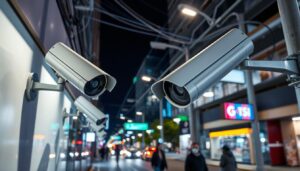
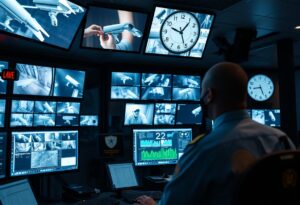
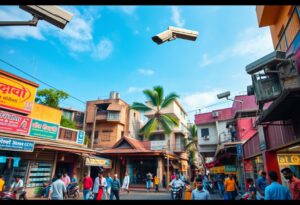
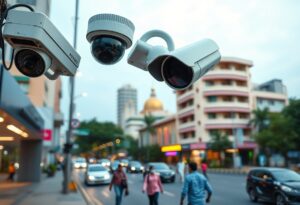
Many homeowners and business operators underestimate the impact of CCTV cameras on their security setup. With the capability to deter crime and provide evidence during incidents, these systems significantly improve your safety and protect your assets. By monitoring your property in real-time, you gain peace of mind, knowing that unauthorized activity is recorded and can be used to assist law enforcement. In this blog post, you’ll discover how to maximize your security with the right CCTV solutions.
Key Takeaways:
- CCTV cameras act as a deterrent to potential criminals, reducing the likelihood of break-ins and vandalism.
- They provide valuable evidence in the event of a crime, aiding law enforcement in investigations.
- Remote monitoring capabilities allow homeowners and business owners to keep an eye on their property in real-time from anywhere.
Understanding CCTV Technology
How CCTV Cameras Work
CCTV cameras operate using a combination of optical and electronic technologies to capture video footage in real time. They utilize light-sensitive sensors to convert the images into electrical signals that are transmitted to a recording device or network. Depending on the type of camera, this can occur through wired or wireless connections, allowing for flexibility in installation. The footage can be stored locally or accessed remotely via the internet, providing you with the ability to monitor your property at any time.
Modern CCTV systems often incorporate features such as motion detection, night vision, and video compression to enhance efficiency and user experience. For instance, motion detection can trigger recordings only when activity occurs, saving storage space and allowing you to focus on critical events. Facial recognition technology can further aid in identifying trespassers, giving you a significant advantage in maintaining security.
Types of CCTV Cameras
There are various types of CCTV cameras, each designed to fulfill different security needs. Analog cameras provide a basic level of surveillance, capturing standard image quality and transmitting it to a DVR for recording. On the other hand, IP cameras offer higher resolution images, and they can be accessed via the internet for remote viewing, providing flexibility and enhanced monitoring options.
For more specialized purposes, you may consider dome cameras for indoor use due to their unobtrusive design, or bullet cameras for outdoor surveillance because of their durability and weather resistance. PTZ (pan-tilt-zoom) cameras allow you to remotely control the camera’s movement, providing comprehensive coverage of large areas. Understanding these options helps you select the most effective surveillance solution for your specific needs.
| Camera Type | Features |
|---|---|
| Analog Camera | Basic image quality, connected to DVR |
| IP Camera | Higher resolution, remote access |
| Dome Camera | Discreet, ideal for indoor use |
| Bullet Camera | Durable, suitable for outdoor conditions |
| PTZ Camera | Remote control, wide coverage |
- Analog Cameras provide a basic solution for monitoring.
- IP Cameras offer better resolution and internet accessibility.
- Dome Cameras maintain discreet surveillance in indoor settings.
- Bullet Cameras are built to endure outdoor weather conditions.
- PTZ Cameras give you control over camera movement for comprehensive coverage.
Knowing the diversity in CCTV camera types enables you to select the right equipment that suits your property’s unique security challenges.
In addition to the main types of CCTV cameras, there are specialized options such as thermal cameras that detect heat signatures, making them ideal for night surveillance. These cameras can be especially effective in large open areas or in complete darkness, offering an advantage over conventional cameras. You can also consider wireless cameras for their flexibility in installation, without the need for extensive cabling. Each type of camera addresses different scenarios, so evaluating your needs is necessary when investing in a security system.
| Specialized Camera Type | Unique Features |
|---|---|
| Thermal Camera | Detects heat, ideal for night surveillance |
| Wireless Camera | No extensive cabling needed, flexible installation |
| Covert Camera | Disguised design for discrete surveillance |
| Fisheye Camera | Provides 360-degree coverage |
| Robotic Camera | Automated monitoring through programmable routes |
- Thermal Cameras are excellent for night surveillance using heat detection.
- Wireless Cameras allow flexible setup without the limitations of cabling.
- Covert Cameras blend into environments for discreet monitoring.
- Fisheye Cameras capture a broad view in a single shot.
- Robotic Cameras can automate routes for comprehensive coverage.
Knowing the specialized camera options helps you tailor your security system to ensure maximum effectiveness and coverage.
Advantages of CCTV Cameras for Home Security
Deterrence of Criminal Activity
The mere presence of CCTV cameras is often enough to deter criminal activity. Research shows that homes equipped with visible security cameras experience up to 300% less crime compared to those without. Burglars are less likely to target properties they perceive to be protected, opting instead for easier, unmonitored victims. This psychological impact is a powerful tool that enhances your home security. For further insights, check out The Importance of Security Cameras: Protecting Your ….
Remote Monitoring and Alerts
CCTV systems allow you to monitor your home in real-time from anywhere in the world using your smartphone or computer. Many systems provide instant alerts via mobile apps, notifying you of suspicious activities or movements. Having this capability means you can take immediate action or notify authorities if necessary. This convenience offers peace of mind, especially when you’re away for extended periods.
With features such as two-way audio and high-definition video streaming, you can assess situations accurately and communicate directly through the camera system. This advanced technology takes your home security to the next level, ensuring that you remain connected and informed no matter where you are.
Advantages of CCTV Cameras for Business Security
Employee Monitoring and Safety
Implementing CCTV cameras in your business not only ensures security but also enhances employee safety. With surveillance in place, you can monitor workplace behaviors and ensure compliance with safety protocols. For instance, seeing how employees handle machinery or interact with customers can lead to improved training programs, minimizing workplace accidents. Also, if an incident occurs, whether it’s a safety violation or an altercation, you’ll have immediate access to the footage for review, which can guide your responses and actions.
Moreover, obvious CCTV placements can foster a greater sense of accountability among your staff. Knowing they are being observed may deter inappropriate behaviors, leading to a more professional work environment. It can also ease concerns regarding harassment or bullying in the workplace, fostering a culture of transparency and respect, ultimately enhancing team morale.
Evidence Collection for Investigations
CCTV systems serve as a vital resource for evidence collection during investigations. If a theft or an incident occurs, having recorded footage can significantly aid law enforcement in identifying suspects and understanding the sequence of events. The clarity of recorded images often provides imperative information that can be used as evidence in court, securing a stronger case against the offender. In fact, businesses that actively monitor and maintain video records often report higher rates of resolution in disputes or thefts.
In addition to theft, CCTV footage can also capture instances of fraud, such as false injury claims by customers or employees. By reviewing precise timestamps and behaviors, you can provide comprehensive evidence to insurance companies or legal entities, shielding your business from wrongful claims. This proactive approach can save you thousands in potential losses and legal fees.
Integration with Smart Home Systems
Enhancing Automation and Control
By integrating CCTV cameras with your smart home system, you can automate your security measures effectively. For instance, when your security camera detects motion, it can trigger other smart devices, such as outdoor lights, to turn on, illuminating potential intruders’ paths. This interconnectedness allows you to create a responsive security environment where your devices communicate in real-time, providing an additional layer of security whenever you’re at home or away.
Furthermore, many smart home systems offer customizable alerts that notify you through your smartphone or tablet whenever unusual activity is detected. You can set how sensitive your cameras are to motion and even tailor notifications to specific times or situations, ensuring you only receive alerts that matter. This level of control not only enhances your overall peace of mind but also allows you to quickly respond to any security threats.
Improving Overall Security Protocols
The integration of CCTV cameras with your smart home system significantly enhances your overall security protocols. When connected, these systems can help develop a more strategic approach to surveillance and data collection. For example, you can access live feeds or recorded footage remotely, ensuring you stay informed about the current state of your property from anywhere. This capability is especially vital during emergencies, as you can act swiftly based on real-time information.
Moreover, integrating cameras into the broader security framework of your home enables you to develop unique security protocols tailored to your lifestyle. Scheduling when cameras are active or linking them with alarm systems can create comprehensive coverage that adapts to your routines. An example can be seen in households using a smart routine; as you leave for work, your cameras activate, and your smart door locks engage, solidifying a seamless security experience throughout the day.
As your security needs evolve, the integration of CCTV cameras with smart home technology allows for easy updates and enhancements. You can modify your system to include newer security measures such as facial recognition or smart analytics, improving detection accuracy. This adaptability ensures you stay ahead of potential threats, creating a safer environment for your home or business over time.
Legal and Ethical Considerations
Privacy Concerns
As you implement CCTV cameras in your home or business, it’s crucial to acknowledge the privacy concerns that may arise. Surveillance footage can capture activities beyond the intended areas, potentially infringing on the privacy of individuals who may not be aware they are under surveillance. For instance, if you install a camera that inadvertently records a neighbor’s property or public spaces, you could face backlash or legal action from individuals who feel their privacy has been compromised. To mitigate this risk, ensure that your cameras are positioned in a way that respects the boundaries of surrounding properties.
Additionally, consider the storage and access of recorded footage. You must determine who has access to this information and how long it will be retained. Adopting protocols for data protection will not only safeguard the privacy of those being recorded but also protect you from potential liabilities. Using encrypted storage solutions and secure access controls can significantly enhance your ability to manage sensitive footage responsibly.
Compliance with Laws and Regulations
Navigating the landscape of laws and regulations regarding video surveillance is crucial for your security efforts. Various jurisdictions have specific laws that govern the use of CCTV cameras, dictating where you can install them, how you notify individuals of surveillance, and what information can be recorded. For instance, the General Data Protection Regulation (GDPR) in Europe mandates that individuals must be informed when they are being recorded, and in many regions, you are required to display signage indicating the presence of cameras. Keeping abreast of these regulations ensures that your installation of CCTV systems is both effective and legally sound.
Moreover, fines for non-compliance can be steep, making it imperative to stay informed about changing laws. Implementing a clear policy regarding video surveillance can help your business or home stay in line with these regulations while also addressing privacy concerns. Collaboration with legal experts familiar with local laws can further enhance your compliance strategy and prevent potential legal pitfalls.
Maintenance and Best Practices
Ensuring Optimal Performance
Maintaining your CCTV system is imperative for ensuring optimal performance. Regularly check the camera lenses for dirt or obstructions that could impair the video quality. You should also inspect the wiring and connections for any signs of wear or damage. By conducting these checks every few months, you can prevent minor issues from developing into major problems. It’s wise to keep software and firmware updated, as manufacturers often release patches that enhance functionality and security.
Moreover, consider the placement of your cameras. If your outdoor units are exposed to harsh weather conditions, ensure they are less prone to environmental wear and tear. Using weatherproof casings can further protect against moisture and dust. Additionally, test your system periodically to confirm that all components are operational. This proactive maintenance strategy will ensure that you capture clear and reliable footage when it matters most.
Upgrading and Replacing Equipment
Over time, technology evolves, and your CCTV equipment may not keep up with new advancements in video quality and smart features. If your existing cameras provide blurry images or lack imperative functionalities such as night vision or motion detection, consider upgrading. High-definition (HD) or ultra-high-definition (UHD) cameras have become more accessible and offer significantly better image clarity, which is vital for identifying suspects or capturing detailed evidence.
Additionally, evaluate the lifespan of your equipment. Most CCTV systems have an operational lifespan of around 5 to 7 years, depending on usage and environmental conditions. If your cameras are nearing this threshold, plan a replacement strategy. Investing in modern systems with integrated AI capabilities can enhance your security measures by offering features like facial recognition and enhanced motion tracking, providing you with unparalleled protection.
When upgrading or replacing equipment, explore solutions that align with your specific security needs. For instance, if you’re primarily concerned with nighttime surveillance, consider cameras equipped with advanced low-light technology. Furthermore, assess the scalability of the new system to ensure it can accommodate future expansions, such as additional cameras or integration with other security devices. Choosing the right equipment ensures you maintain high security standards as your needs evolve.
Summing up
With these considerations, you can see how CCTV cameras significantly enhance your home and business security. Their ability to deter criminal activities through visible surveillance can give you peace of mind. By monitoring key areas, you can instantly access valuable footage that may be critical in the event of an incident, allowing you to take informed actions to protect your property and loved ones. Additionally, highresolution surveillance technology benefits homeowners and business operators alike by providing clearer and more detailed images, even in low light conditions. This advancement not only aids in identifying intruders but also enhances the overall effectiveness of security systems. With such technology in place, you can be more proactive in safeguarding your environment and ensuring the safety of those within it.
Moreover, integrating CCTV systems with modern technology offers you real-time alerts and remote monitoring capabilities. This ensures that you can keep an eye on your property from anywhere, providing you with an additional layer of protection, whether you are at home or away. Implementing effective security measures like CCTV can help you create a safer environment for yourself and your community.
FAQ
Q: How do CCTV cameras deter crime?
A: CCTV cameras act as a visual deterrent, making potential criminals aware they are being watched. This can discourage them from committing acts of vandalism, theft, or other illegal activities on the premises.
Q: What are the benefits of remote viewing with CCTV cameras?
A: Remote viewing allows users to access live footage from their CCTV cameras via smartphones or computers, providing peace of mind. Homeowners and business owners can monitor their properties in real-time from anywhere, ensuring enhanced surveillance and quicker response to incidents.
Q: Can CCTV cameras be used in low-light conditions?
A: Yes, many modern CCTV cameras are equipped with infrared night vision technology, enabling them to capture clear images in low-light situations. This ensures consistent security monitoring, even during nighttime or in dimly lit areas.
Q: How do CCTV cameras help with investigations?
A: CCTV footage provides valuable evidence in the event of a crime or incident. Law enforcement agencies can review this footage to identify suspects, track movements, and gather information that can assist in legal proceedings.
Q: Are there privacy concerns associated with CCTV camera usage?
A: Yes, there are privacy considerations when installing CCTV cameras. It is necessary to inform employees and guests about the surveillance, and ensure cameras are positioned to monitor public areas without invading private spaces, adhering to local laws and regulations.