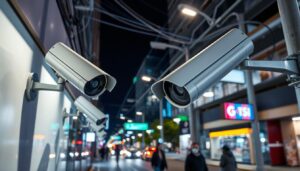
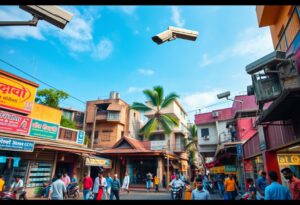
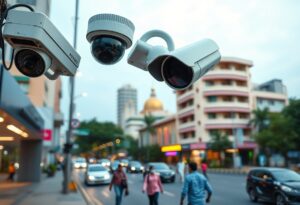
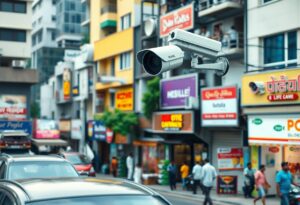
Many individuals and businesses underestimate the impact of high-resolution surveillance on their overall security. Investing in advanced surveillance systems not only enhances your ability to monitor activities but also serves as a powerful deterrent against potential threats. With clearer images and improved visibility, you can make informed decisions and respond promptly to incidents, ensuring that your safety and that of your property remain a top priority. Implementing state-of-the-art surveillance systems is important for creating a safer environment for you and your community. surveillance camera benefits in security extend beyond mere observation; they can significantly reduce crime rates in both residential and commercial areas. By capturing evidence of criminal activity, these systems aid law enforcement in investigations, increasing the likelihood of apprehending offenders. Moreover, the presence of surveillance cameras can foster a sense of safety among community members, encouraging them to engage more freely in public spaces.
Key Takeaways:
- High-resolution surveillance enhances the ability to monitor and assess environments, improving overall safety measures.
- Detailed imagery allows for quick identification of potential threats, facilitating timely responses and interventions.
- Investing in advanced surveillance technology fosters a safer community by deterring criminal activities and increasing public confidence.
The Need for High-Resolution Surveillance
Enhancing Public Safety
High-resolution surveillance systems significantly improve public safety by providing clearer images and detailed information that facilitate prompt responses to incidents. In urban environments, where crime rates can be elevated, these systems allow law enforcement agencies to monitor high-risk areas effectively. When you have high-definition video feeds, identifying individuals and gathering evidence becomes easier, thus increasing the likelihood of successful prosecutions. Cities implementing such systems often report a reduction in crime rates as a direct consequence, demonstrating the palpable impact on community safety.
In addition, the effectiveness of high-resolution surveillance extends beyond mere observation. You might find that these systems can streamline emergency response and coordination among first responders during critical situations. High-definition cameras equipped with advanced analytics can detect unusual activity and alert authorities, allowing them to intervene swiftly before situations escalate, thereby protecting citizens and property alike.
Deterrence of Crime
The presence of high-resolution surveillance technology serves as a powerful deterrent to crime. Criminals are less likely to engage in illicit activities when they know they are being watched and that evidence can be captured in stunning clarity. A study conducted in several metropolitan areas showed that neighborhoods with high-definition cameras installed reported up to a 30% decrease in property crimes. Your knowledge that high-resolution footage can provide concrete evidence also empowers you to report suspicious behavior with confidence, knowing that authorities have the tools needed to act decisively.
Moreover, the strategic placement of high-resolution cameras in conjunction with community awareness campaigns can significantly enhance the effectiveness of these systems. By engaging community members and providing information on how surveillance aids in crime prevention, you foster a collective security mentality. When citizens feel they are part of a proactive safety initiative, they are more likely to report incidents—a chain reaction that bolsters the deterrent effect even further.
Technological Advancements in Surveillance
Camera Innovations
Recent advancements in camera technology have transformed the surveillance landscape. High-definition (HD) and 4K cameras now offer unmatched clarity, allowing you to capture and identify individuals and activities with precision. Increased pixel density means that even the most minute details, such as license plates or facial features, can be recognized, enhancing the overall effectiveness of your surveillance system. For a comprehensive look at the What Are the Benefits of HD and 4K Cameras in Video Surveillance, you can explore how these innovations can significantly impact your security strategy.
Moreover, modern surveillance cameras are equipped with advanced features such as infrared night vision and motion detection, enhancing their functionality. These features ensure that your monitoring is not limited to daylight hours, offering 24/7 vigilance. Durability has also improved, with options available that are resistant to harsh weather conditions, thus ensuring reliable performance under all circumstances.
Integration with AI and Analytics
Integrating artificial intelligence (AI) and analytics into surveillance systems is changing how you monitor and analyze security feeds. AI-driven systems can interpret video data in real-time, identifying patterns and anomalies that human operators might miss. For instance, your surveillance system can alert you to unusual behavior, such as loitering or unauthorized access, allowing quicker response times and potentially preventing incidents before they escalate.
This integration allows for a more proactive approach to security. With AI analyzing the data, you can leverage features like facial recognition to enhance threat detection, enabling the identification of known suspects instantly. Additionally, AI-powered analytics can help you assess traffic patterns or crowd formations, giving insights that could enhance your overall safety protocols.
Further development in AI analytics empowers you to rely on predictive algorithms, which can forecast potential security breaches based on historical data. This insight enables you to allocate resources accordingly, ensuring that high-risk areas receive the attention they require, and enhancing overall safety measures.
Case Studies: Success Stories in High-Resolution Surveillance
High-resolution surveillance has proven its worth through various success stories across different sectors. In one case, the installation of 4K surveillance cameras in a major urban center led to a 30% reduction in crime rates within just six months. Another example involves a shopping mall that integrated facial recognition technology with high-resolution surveillance, resulting in a 50% decrease in theft and shoplifting incidents over a year. Additionally, a municipal transportation authority reported a 25% drop in vandalism on its buses after adopting state-of-the-art surveillance systems.
- Urban City A: 30% reduction in overall crime rates
- Shopping Mall B: 50% decrease in theft within a year
- Transit Authority C: 25% decline in vandalism incidents
- Bank D: Successfully identified and apprehended 12 suspects using high-res footage in three months
- Residential Area E: 90% increase in neighborhood watch effectiveness through high-resolution recordings
Urban Environments
In urban environments, high-resolution surveillance significantly enhances safety and real-time responsiveness. For instance, cities equipped with high-definition cameras not only deter criminal activity but also provide critical evidence during investigations. When the city of Metroville upgraded its surveillance system, law enforcement was able to solve 85% of violent crime cases within a year by utilizing clear video evidence, which aids in identifying suspects more effectively.
The surveillance technology implemented in these populous areas often includes night vision capabilities and smart analytics, which can trigger alarms based on unusual activities. This allows you to maintain vigilance even in poorly lit conditions. In downtown areas where foot traffic is high, having the ability to monitor and analyze crowd behavior can help identify potential threats before they escalate, fostering a safer public space.
Critical Infrastructure Protection
Your investment in high-resolution surveillance for critical infrastructure protection is imperative for safeguarding assets and enhancing security measures. For instance, an oil refinery implemented an advanced surveillance system that is integrated with real-time monitoring and threat detection algorithms, leading to a 40% reduction in unauthorized access incidents. In another example, a power plant upgraded its surveillance to include 360-degree cameras, resulting in rapid incident response times and a 25% decrease in security breaches over two years.
Moreover, research indicates that facilities employing high-resolution surveillance have experienced near-complete prevention of incidents related to sabotage and trespassing. The enhanced clarity of images enables security personnel to act swiftly and accurately, reducing the likelihood of compromising imperative services and infrastructure integrity.
Legal and Ethical Considerations
Privacy Concerns
You must address the significant privacy concerns associated with high-resolution surveillance. Individuals often feel a sense of invasion when they know they are being watched closely, which can lead to mistrust and a sense of vulnerability. For instance, a survey from the Electronic Frontier Foundation (EFF) highlighted that over 70% of respondents express discomfort with street cameras and other forms of surveillance, fearing that their data might be misused or accessed without consent. This unease can be particularly pronounced in residential areas, where the presence of surveillance cameras might affect community relations.
To mitigate these concerns, transparent communication about the purpose and scope of surveillance is imperative. Establishing clear guidelines, such as publicly posting signs near surveillance areas detailing camera usage, can enhance community acceptance. Additionally, it’s vital to implement measures that restrict access to recorded footage, ensuring that only authorized personnel can view footage, thereby fostering a sense of security and privacy among individuals.
Regulatory Frameworks
Your understanding of existing regulatory frameworks is imperative when implementing high-resolution surveillance systems. Laws such as the General Data Protection Regulation (GDPR) in Europe impose strict rules regarding the collection and processing of personal data, including video footage. The GDPR mandates that organizations must have legitimate reasons for surveillance and must ensure data protection throughout its lifecycle. Non-compliance can result in hefty fines, reaching up to 4% of annual global turnover, highlighting the importance of adherence to regulations.
In addition to GDPR, various countries have their own regulations that dictate how surveillance technology should be deployed. For example, the United States lacks a federal standard but several states and localities have enacted their own laws governing camera use, especially regarding law enforcement. Organizations must stay aware of these regulations to implement surveillance systems ethically and legally, ensuring that your usage aligns with both local and international laws to maintain public trust.
The Role of High-Resolution Surveillance in Emergency Response
Real-Time Monitoring
In emergency situations, real-time monitoring provided by high-resolution surveillance cameras can significantly enhance the response efforts. These systems allow you to receive live footage, letting you assess situations as they unfold. For instance, during a recent natural disaster, emergency services utilized high-resolution feeds to pinpoint areas needing immediate assistance, which drastically reduced response times and improved resource allocation. Your ability to view high-definition images in real-time ensures that critical information is at your fingertips when every second counts.
Moreover, high-resolution cameras with features such as enhanced low-light performance and motion detection can alert you to potential threats before they escalate. The integration of these technological advancements means that you can monitor an entire area without the blind spots common in lower-resolution systems. When emergencies arise, having access to clear and precise imagery allows you to make informed decisions quickly, ensuring a more effective emergency response that can save lives.
Coordination with Law Enforcement
High-resolution surveillance not only aids in situational awareness but also facilitates seamless coordination with law enforcement agencies. By providing them with high-quality footage, you enable officers to assess threats prior to their arrival, subsequently improving their strategic response. When law enforcement can view incidents as they occur, their arrival isn’t just reactive—it becomes a well-informed action based on actual conditions rather than predictions.
The collaboration between high-resolution surveillance systems and law enforcement agencies has been evidenced in several successful operations. For instance, in metropolitan areas, police departments have merged surveillance footage with real-time data analytics to respond more effectively to urban crime. This synergistic approach enhances their ability to capture suspects and resolve incidents swiftly, fostering a sense of safety in your community.
As the capabilities of surveillance technology grow, so does the potential for stronger partnerships between civilians and law enforcement. Your proactive engagement with these systems can lead to the timely sharing of critical data, allowing law enforcement to act decisively. High-resolution surveillance systems create an avenue for community vigilance that not only supports law enforcement but also empowers you to actively contribute to your safety and the safety of those around you.
Future Trends in Surveillance Technology
The Impact of 5G and IoT
The advent of 5G technology is set to revolutionize surveillance systems by enabling faster data transmission and greater connectivity among devices. With 5G, you can expect real-time video streaming with minimal latency, which means quicker response times in critical situations. The integration of the Internet of Things (IoT) allows for a network of interconnected cameras and sensors that can share data seamlessly. This connectivity ensures that your surveillance systems can be more comprehensive and respond dynamically to incidents, allowing for a more thorough monitoring of environments.
Enhanced bandwidth and reduced latencies mean you can harness advanced features like AI-powered analytics in surveillance, which can instantly identify suspicious behavior or objects in a video feed. As more cities install 5G infrastructure, your surveillance capabilities will expand, providing you with more accurate data and insights that can enhance the overall safety of your community.
Predictions for the Next Decade
Over the next decade, surveillance technology will likely continue evolving at a rapid pace, with predictions indicating a significant shift towards automated surveillance systems. These systems will utilize cutting-edge artificial intelligence to interpret complex data in real-time, allowing you to automate alerts and responses to potential threats. Furthermore, with advancements in facial recognition technology, you may see a rise in systems that can identify individuals with astounding accuracy, enhancing security in public spaces and private properties.
Expect the integration of cloud computing, enabling you to store footage digitally and access it from anywhere at any time. This shift not only provides greater convenience but also aids in disaster recovery of crucial evidence. Additionally, privacy concerns will push for the development of more transparent surveillance systems, where biometric data is collected responsibly and ethically, ensuring your rights as a citizen are protected.
Final Words
On the whole, implementing high-resolution surveillance systems is imperative for ensuring complete safety in any environment. You must consider that the clarity and detail provided by these systems enable you to identify potential threats swiftly and accurately, allowing for timely responses. In a world where safety risks are ever-present, investing in advanced surveillance technology enhances your ability to protect lives and assets while also fostering a sense of security within your community.
Moreover, the integration of cutting-edge surveillance offers you a wealth of data that can be analyzed for patterns and trends, further informing your security strategy. By adopting these advanced systems, you position yourself not just as a passive observer but as an active participant in the safeguarding of your surroundings. Your proactive approach to high-resolution surveillance ultimately contributes to a safer, more secure environment for everyone involved.
FAQ
Q: Why is high-resolution surveillance important for safety?
A: High-resolution surveillance provides clearer images and details, enabling more accurate identification of individuals and events, which enhances the effectiveness of security measures.
Q: How does high resolution affect the ability to monitor large areas?
A: High-resolution cameras allow for greater detail over wide areas, making it easier to spot suspicious activities or incidents from longer distances, which can be vital for overall safety.
Q: What role does high-resolution surveillance play in crime prevention?
A: The presence of high-resolution cameras acts as a deterrent to potential criminals, as they are aware they are being watched and recorded, reducing the likelihood of criminal activities.
Q: How does high-resolution surveillance aid investigations?
A: Detailed footage from high-resolution cameras provides law enforcement with critical evidence for investigations, facilitating quicker resolutions and improved outcomes in legal processes.
Q: Are there limitations to high-resolution surveillance systems?
A: Yes, high-resolution systems may require more storage space and higher bandwidth for data transmission, which can increase costs and necessitate advanced infrastructure.