Many homeowners underestimate the impact of a well-installed burglar alarm system on reducing the risk of break-ins. By deterring potential intruders and providing immediate alerts, these systems are vital for enhancing your home’s security. When you equip your property with a burglar alarm, you not only protect your loved ones but also reduce the chances of property loss and damage. Investing in a reliable alarm system offers you peace of mind, knowing that your home is better defended against unwanted intruders. One of the key advantages to consider are the benefits of professional monitoring services, which provide around-the-clock surveillance of your property. This means that even when you’re away, trained professionals are ready to respond to any alarms or incidents, ensuring a swift reaction to potential threats. With such a system in place, you can further enhance your home’s protection and enjoy greater peace of mind.
Key Takeaways:
- Burglar alarms act as a deterrent, making potential intruders think twice before targeting a property.
- Alarm systems can alert homeowners and authorities in real-time, facilitating a rapid response during break-in attempts.
- Modern systems offer features like remote monitoring and notifications, enhancing security and peace of mind for property owners.
Understanding Burglar Alarms
Your understanding of burglar alarms is key to maximizing their effectiveness in securing your home. These systems vary widely in functionality, technology, and operational methods, each providing a unique layer of security. Knowing what options are available allows you to choose the best fit for your specific needs.
Types of Burglar Alarms
There are several types of burglar alarms that you can consider to enhance your property’s security. The main categories include:
- Monitored alarms – connected to a central station that alerts authorities.
- Unmonitored alarms – sound on-site and alert you, but do not contact emergency services.
- Wireless systems – easy to install, these use radio waves for communication.
- Hardwired systems – require professional installation and are generally more reliable.
- Smart alarms – integrate with your smartphone for remote monitoring and control.
Assume that you select a system that aligns with your lifestyle and security preferences, as the technology you choose will significantly impact your overall safety.
| Type of Alarm | Key Features |
| Monitored | 24/7 monitoring, immediate police notification |
| Unmonitored | Budget-friendly, loud sirens for immediate alert |
| Wireless | Easy installation, flexible placement |
| Hardwired | More stable connection, requires professional installation |
| Smart | Remote accessibility, integration with home automation |
Components of a Security System
The effectiveness of your security system hinges on its components. Typical setups include sensors, control panels, alarms, and monitoring services. Security sensors detect unauthorized entry and can range from door and window contacts to motion detectors. Control panels serve as the central hub, allowing you to arm or disarm the system while also providing alerts when breaches occur.
In addition to basic sensors, you might also consider incorporating cameras, smart locks, and environmental sensors for smoke or carbon monoxide detection. The synergy between these components creates a robust defense strategy that works together to provide comprehensive protection. Evaluating your security needs alongside these components will help you form a tailored approach to safeguarding your home.
The Role of Monitoring Services
24/7 Monitoring and Emergency Response
With 24/7 monitoring services, you gain peace of mind knowing that your property is under constant surveillance. When an alarm is triggered, trained professionals are immediately notified and can assess the situation in real-time. This instantaneous response can significantly reduce the time it takes for local authorities to arrive on the scene, providing you with an added layer of security. In fact, studies show that monitored properties are over 300% less likely to experience a break-in compared to those without monitoring.
Additionally, the presence of a monitoring service can facilitate quicker emergency responses, whether it’s a burglary, fire, or medical emergency. Many services also have the capability to contact emergency services, allowing you to be alerted to a situation even when you’re not home. This assurance becomes especially valuable when you travel or are away for extended periods, ensuring that you can rest easy, knowing that professionals are watching over your home.
DIY vs. Professional Monitoring
Choosing between DIY and professional monitoring depends on your specific needs and comfort level with technology. With DIY systems, you maintain complete control over your security settings and monitor alerts on your own. However, the downside is the lack of immediate professional response in emergencies, leaving you to act quickly under potentially stressful situations. On the other hand, professional monitoring connects you with experienced responders who can handle emergencies on your behalf, but this often comes with a monthly fee.
Professional monitoring services tend to offer more comprehensive security solutions, including access to emergency responders, which may be critical during a crisis. For example, if an alarm goes off while you are away, a professional service can assess the situation and dispatch the police even if you are unable to do so yourself. While DIY systems can save money initially, the peace of mind from having professionals involved can outweigh those costs, especially in high-risk areas.
Ultimately, the decision between DIY and professional monitoring should reflect your budget, level of comfort with technology, and desire for immediate emergency response. Weighing the pros and cons of each method can help you determine which approach aligns best with your security goals, ensuring you select a system that truly protects your home and provides the reassurance you need.
Deterrence Factors
One of the most significant deterrence factors associated with burglar alarms is their ability to make properties less appealing to potential intruders. When criminals assess a target, they often look for the easiest and least risky options. With a visible alarm system in place, the chances of being detected increase dramatically, which in turn raises the risk of apprehension. This simple adjustment can shift a burglar’s focus to properties without such features. Studies indicate that homes equipped with alarms are up to 300% less likely to be burglarized. A well-marked alarm sign can also serve as a powerful visual cue that fosters doubt in the minds of would-be intruders.
- Visible security measures like alarm signs and cameras can deter break-ins.
- Heightened risk perception leads criminals to seek easier targets.
- Statistical evidence supports the effectiveness of alarm systems.
- Presence of security personnel can further discourage criminal activities.
- Outdoor lighting also plays a vital role in deterrence.
Visible Security Measures
Visible security measures act as a first line of defense against potential break-ins. Alarm systems that are clearly displayed, such as signs or stickers, send a strong message that your property is protected. When an intruder sees a prominent security sign, they often reconsider their decision to move forward. A house equipped with visible cameras, particularly those that are positioned to cover entrances, can significantly enhance this effect by proving that you are proactive about securing your home.
Additionally, having motion-sensor lights that illuminate your yard and entry points can further increase the perception of risk. Intruders prefer undetected approaches, so bright lights increase the chances of them being spotted. These visible security measures provide not just protection, but also a sense of safety for you and your family.
Psychological Impact on Potential Intruders
The psychological impact of burglar alarms on potential intruders is profound. When faced with a home that has a visible alarm system, criminals experience increased anxiety about getting caught. The prospect of facing legal repercussions or getting harmed as a result of engaging in a break-in often prompts them to abandon their plans. Studies have shown that burglars often weigh the costs and benefits before deciding on a target, and the presence of an alarm system tips the scales towards avoiding homes with such measures in place.
Moreover, research from law enforcement agencies indicates that many offenders have reported steering clear of locations with alarm systems out of fear of immediate police response. This psychological barrier not only deters break-ins but also fosters a form of neighborhood watch effect, where the awareness of security systems enhances the overall protective atmosphere of the area. Recognizing the impact of these psychological factors can significantly inform your security strategy when deciding on suitable protective measures for your property.
Integration with Home Automation
When you integrate your burglar alarm system with home automation, you elevate not only your security but also the overall convenience of your home. Systems like SmartThings or Apple HomeKit allow for seamless communication between your alarm and other smart devices, such as lights, locks, and cameras. For example, when your alarm is triggered, your smart lights can activate, illuminating the exterior of your home as a visual deterrent. Additionally, you can receive instant notifications on your smartphone, providing you with real-time updates and allowing for a quicker response to potential threats.
Smart Home Compatibility
Your burglar alarm’s compatibility with smart home devices enables a comprehensive security approach. Many modern alarm systems can connect with voice assistants like Amazon Alexa and Google Assistant, allowing you to arm or disarm your system using simple voice commands. This convenience ensures that your security measures are just one command away, creating a more user-friendly experience when managing your home’s safety.
Remote Monitoring Capabilities
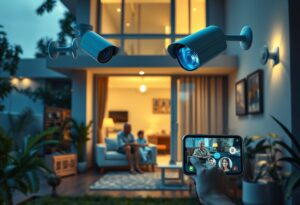
Remote monitoring has become a game-changer in home security, giving you the ability to oversee your property from anywhere. With mobile apps linked to your alarm system, you can check the status of your alarm, view camera feeds, and even receive alerts when unusual activity is detected. Studies show that properties with remote monitoring are less likely to be targeted by burglars, as the perceived risk of getting caught increases significantly.
Moreover, advanced features like live video streaming and two-way audio allow you to interact with visitors or potential intruders in real-time, further enhancing your security posture. Statistics indicate a significant reduction in response times when homeowners actively monitor their properties, underscoring the effectiveness of remote technologies in preventing break-ins.
Case Studies and Statistics
- Burglary Reduction Rates: A study by the University of North Carolina showed that homes with a burglar alarm are three times less likely to be targeted than those without.
- Response Time: Police departments have reported that homes with alarms have an average response time of under 6 minutes, compared to 15 minutes for unprotected properties.
- Insurance Savings: Installing a burglar alarm can reduce homeowners’ insurance premiums by up to 20%, a testament to their impact on mitigating risk.
- Local Crime Statistics: In areas where alarm systems were widely adopted, overall property crime rates fell by nearly 30% within two years.
- Deterrent Effect: According to a national survey, 60% of burglars stated they would avoid a home with an audible alarm system.
Effectiveness of Burglar Alarms
Statistical evidence overwhelmingly supports the effectiveness of burglar alarms in deterring break-ins. Homes equipped with these systems experience significantly fewer incidents of theft, providing peace of mind for homeowners. According to the Electronic Security Association, homes with monitored alarm systems face a reduced risk of being targeted, illustrating that merely having a visible alarm system can influence a burglar’s choice of target. The psychological impact of these systems makes homeowners feel safer and more secure.
Furthermore, the data suggests a direct correlation between alarm presence and reduced burglary attempts. A study conducted by the Rutgers University School of Criminal Justice revealed that areas with concentrated burglar alarm installations saw a marked decrease in crime rates. This underscores how burglar alarms not only protect your property but also contribute to overall community safety.
Real-Life Examples of Prevention
Real-life cases further illustrate the power of burglar alarms in thwarting break-ins. For instance, in 2018, a homeowner in California was alerted by their alarm system when an intruder attempted to enter their home. The loud siren scared the burglar away, leading to a prompt police response. This scenario highlights how audible alarms function as a powerful deterrent against intruders.
Another case involved a family from Texas who received a notification via their smartphone from their alarm system while on vacation. Upon reviewing the live feed from their security cameras, they spotted an unauthorized individual on their property. Thanks to the quick alert and remote monitoring capabilities, they contacted law enforcement, who apprehended the suspect before any damage could be done.
The effectiveness of burglar alarms is evident through numerous success stories. Homeowners who invest in these systems not only protect their property but also contribute to a broader sense of safety in their neighborhoods. With advanced technology becoming increasingly accessible, real-time alerts and monitoring options can make the difference between a thwarted break-in and potential loss.
Best Practices for Installation and Maintenance
Proper Placement of Sensors
To maximize the efficiency of your burglar alarm system, it’s imperative to strategically place your sensors. Position door and window sensors at entry points, especially on the ground floor and adjacent to any potential access areas. You should also consider installing motion detectors in your front and backyards. The National Institute of Justice suggests that placing these sensors out of reach can add an extra layer of protection, making tampering more difficult for an intruder. Additionally, don’t overlook basement windows and garages, where many break-ins occur.
Regular System Checks
Routine maintenance of your alarm system is vital for ensuring it functions properly when you need it most. Schedule regular system checks to test and verify that all components are operational. This includes checking the battery life of wireless sensors and ensuring that your control panel is working flawlessly. According to research from the Electronic Security Association, about 34% of homeowners never test their systems, which can significantly increase the risk of system failure during an emergency.
Carrying out regular system checks should not be a burdensome task. Establish a schedule that works for you, whether it’s monthly or quarterly, to inspect the functionality of your alarm system. During these checks, make sure to review your user manual for any specific maintenance suggestions provided by the manufacturer. For further insights on enhancing your home security, visit How Effective Are Home Security Systems?.
Conclusion
Presently, the implementation of burglar alarms in your home significantly enhances your security measures against break-ins. These systems act as a deterrent, making your property less appealing to potential intruders who often target homes that appear easier to breach. With features like motion sensors and immediate alerts to local authorities, you can rest assured that your property is monitored around the clock, providing peace of mind when you’re away.
Moreover, integrating burglar alarms with your overall security strategy can further fortify your defenses. Investing in advanced technology, such as smart alarms with app connectivity, allows you to monitor your home in real-time, giving you direct control over your safety. By taking these proactive steps, you considerably lower the likelihood of break-ins and enhance the overall security of your living space.
FAQ
Q: How do burglar alarms deter potential intruders?
A: Burglar alarms deter intruders by serving as a visible and audible warning system. The presence of an alarm can discourage burglars from attempting to break in, as the risk of detection increases significantly.
Q: What types of burglar alarms are most effective?
A: The most effective burglar alarms include wired and wireless systems, motion detectors, glass break sensors, and surveillance cameras. Each type provides various levels of protection and can be tailored to specific security needs.
Q: Can a burglar alarm notify authorities automatically?
A: Yes, many modern burglar alarm systems can be programmed to automatically notify local authorities when triggered, ensuring a quick response to potential break-ins.
Q: How does maintenance affect the effectiveness of burglar alarms?
A: Regular maintenance, including testing and replacing batteries, ensures that burglar alarms function properly. A well-maintained system is more reliable and can better prevent break-ins compared to a neglected one.
Q: What additional features enhance burglar alarm effectiveness?
A: Additional features that enhance effectiveness include smartphone notifications, remote monitoring, integration with home automation systems, and video verification, allowing homeowners to manage and respond to alerts actively.