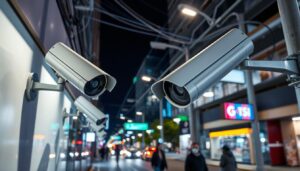
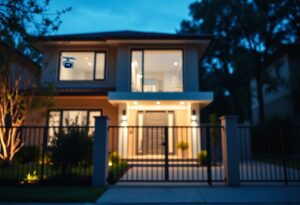
There’s a wide array of CCTV cameras available, making it crucial for you to find the one that best fits your security needs. Consider factors such as resolution, field of view, and night vision capabilities to protect your property effectively. Additionally, think about whether you prefer a wired or wireless option, as each comes with its own set of advantages. By evaluating these elements, you can enhance your property’s security and gain peace of mind. When shopping for toprated CCTV cameras for home security, it’s also beneficial to look at customer reviews and ratings to ensure reliability. Many brands offer extensive warranties and support, which can be vital for maintenance and troubleshooting. Ultimately, the right choice will not only safeguard your home but also offer you reassurance in your everyday life.
Key Takeaways:
- Assess your property size and layout to determine necessary coverage and the number of cameras required.
- Consider the camera types, such as dome, bullet, or PTZ, based on your security needs and installation locations.
- Evaluate features like resolution, night vision, and remote access to ensure optimal performance for your surveillance requirements.
Understanding CCTV Camera Types
When selecting a CCTV camera for your property, it’s important to know the various types available, as each serves different needs and environments. The two main categories are analog and digital cameras. Analog cameras are generally less expensive and easier to install but have limitations in resolution and video quality. In contrast, digital cameras provide superior image quality and advanced features like remote access and integration with other smart systems. Understanding the specifications and functionality of these types can aid your decision-making process.
| Camera Type | Features |
|---|---|
| Analog Cameras | Lower resolution, cost-effective, basic functionality |
| Digital Cameras | High-resolution images, remote access, smart features |
| Dome Cameras | Vandal-resistant, 360-degree view, indoor/outdoor use |
| Bullet Cameras | Long-distance viewing, weatherproof, excellent for outdoor use |
| PTZ Cameras | Panning, tilting, zooming capabilities, good for wide areas |
You’ll find that analog cameras transmit video over coaxial cables, offering a more straightforward system. Nevertheless, they might not suffice for properties requiring high-resolution imagery or extensive coverage. Digital systems utilize IP technology to deliver superior images via internet connectivity, allowing for easy monitoring and mobility.
Analog vs. Digital Cameras
The debate between analog and digital systems boils down to your property’s specific needs. Analog systems have been around for decades and remain a viable option for basic surveillance requirements. They typically have a lower initial cost and simpler installation processes, which may be appealing if you’re operating on a tight budget. However, due to their limitations in resolution, they often fall short when you require clarity for identification purposes.
On the other hand, digital cameras bring modern functionalities that enhance security measures significantly. The ability to stream high-definition video and access recordings remotely ensures you have more control over your surveillance. Notably, digital options can offer features like motion detection and night vision, which can make a difference in resolving incidents promptly.
Wired vs. Wireless Options
Choosing between wired and wireless CCTV systems is another important consideration. Wired cameras offer reliability as they are directly connected to your network, reducing the risk of interference or downtime. They are also generally preferred for permanent installations where cable management is feasible. However, the installation process can be more labor-intensive, involving drilling and potential disruptions to your property.
Conversely, wireless cameras provide flexibility in placement, allowing you to easily relocate them as needed. They are often simpler to install, with many offering mobile monitoring capabilities. However, they might be more susceptible to signal interference and unauthorized access if not properly secured.
Assume that you prioritize flexibility and convenience over a permanent setup; a wireless option may suit your needs better, allowing seamless integration within smart home systems. Alternatively, for installations requiring stable and uninterrupted surveillance, wired systems can provide peace of mind as they rely on a consistent power supply and direct connection.
Key Factors to Consider
When identifying the appropriate CCTV camera for your property, there are several key factors to consider that can significantly impact the effectiveness of your surveillance setup. Pay attention to the following elements to ensure your choice aligns with your security needs:
- Resolution
- Field of View
- Light Sensitivity
- Storage Solutions
- Durability
Your decision should also factor in the specific areas you need to monitor and the potential challenges present in those locations. Assume that investing in a camera that doesn’t meet your requirements could compromise your overall security strategy.
Resolution and Image Quality
The resolution and image quality of your CCTV camera play a vital role in the clarity of the images captured. Options like 1080p (Full HD) and 4MP increase the detail in the footage, allowing for better identification of individuals or events. Higher resolutions can be particularly useful in areas with high foot traffic or where detailed visual evidence is required. Consider that while higher resolution cameras might incur additional costs, they typically provide better performance in low-light conditions as well.
Evaluate whether the camera supports features like Wide Dynamic Range (WDR) and Night Vision, as these technologies enhance image quality in challenging lighting situations. A camera that offers both high resolution and advanced image quality features will prove invaluable in safeguarding your property.
Field of View and Coverage
The field of view (FOV) of a CCTV camera determines how much of the area can be monitored. Cameras with a wide field of view allow you to cover large spaces without the need for multiple units, making them ideal for open areas like parking lots or broad backyards. Conversely, if you need to focus on a specific entrance or corner, a camera with a narrower FOV can be more effective. Take note that the typical range for most security cameras spans from 60 to 120 degrees.
Moreover, consider the camera’s mounting height and angle, as these factors can significantly impact coverage efficiency. For instance, positioning a camera too high may limit its ability to capture facial details, whereas an optimal placement can enhance both coverage and identification capabilities.
Understanding the balance between FOV and necessary detail is important for effective surveillance. A wider field of view can lead to identifying activity but might sacrifice some detail in the images. Conversely, cameras with a narrow field view might capture detailed evidence but require additional units to cover wider areas. Always match the camera specifications with your specific monitoring needs to develop an effective surveillance system.
Assessing Your Property Needs
Indoor vs. Outdoor Installation
When dicking out CCTV cameras for your property, begin by determining whether you need indoor or outdoor installations, as each serves distinct purposes. Indoor cameras are typically designed to monitor spaces like hallways, living rooms, or offices, providing clear images of activities taking place within your home or business. On the other hand, outdoor cameras are built to withstand environmental elements and feature weatherproof casings. These cameras should have a higher resolution, night vision capabilities, and a wide field of view to effectively cover your property’s perimeter.
Indoor setups often prioritize aesthetics and may blend with your interior decor, while outdoor options focus on durability and visibility. You might consider models with motion detection alerts and two-way audio features to enhance security. Assess the specific areas of your property that require surveillance and choose accordingly, ensuring you have adequate coverage based on potential blind spots.
Environmental Considerations
Your property’s geographical location and climate play a significant role in the type of CCTV cameras you should install. For outdoor cameras, it is vital to select options designed to withstand local weather conditions, such as rain, snow, or extreme temperatures. Opt for models with an appropriate IP rating, as a rating of IP66 or higher indicates strong resistance to dust and water. If your area experiences significant temperature fluctuations, investing in cameras with IR capabilities ensures reliable performance even in low-light or freezing conditions.
Further, consider potential environmental threats, such as trees, foliage, or nearby structures that could obstruct the camera’s view. Regular maintenance should also be factored in, particularly for cameras exposed to harsh weather or dust, ensuring that your equipment remains functional over time. Tall grasses and bushes near these cameras can act as cover for intruders, so proper positioning and landscape management are key.
Evaluating Features and Functions
Night Vision and Motion Detection
When deciding on a CCTV camera, night vision is a feature you shouldn’t overlook. Cameras equipped with infrared (IR) technology can capture clear images even in complete darkness, making them necessary for monitoring your property after sunset. Look for models with a minimum of 20-30 feet of night vision range to ensure comprehensive coverage. Additionally, enhanced low-light performance cameras can provide color images in dim conditions, offering greater detail compared to traditional black-and-white night vision.
Equally important is motion detection. Cameras with advanced motion sensors can differentiate between normal activity and potential threats, sending you alerts when unusual movement occurs. Many modern systems allow you to customize sensitivity settings, ensuring that you’re not bombarded with false notifications from pets or passing cars. For optimal performance, consider cameras that offer customizable zones, allowing you to focus on specific areas that matter most to your security.
Storage Options and Remote Access
The decision on storage options greatly affects how you manage and review recorded footage. CCTV cameras typically offer cloud-based storage or local storage solutions like Network Video Recorders (NVR) or Digital Video Recorders (DVR). Cloud storage is advantageous, as it ensures your footage is safe from theft or damage to your physical devices, allowing you to access it anytime from anywhere. However, evaluate the associated subscription costs and potential limitations on storage duration. Local storage may save you money long-term but requires regular maintenance and can be susceptible to physical damage.
Remote access is another pivotal feature to consider. Many modern CCTV systems allow you to view live feeds directly from your smartphone or tablet, giving you peace of mind even when you’re away from your property. Choose systems that offer user-friendly mobile applications with secure login protocols. Some advanced setups even support two-way audio, enabling you to communicate with individuals on your property, enhancing your ability to respond to incidents in real time.
In addition to the basic storage options, evaluate the duration of stored footage that results from your selected settings. Some cameras offer configurable retention periods, which can help you balance the need for longer storage against the available space. The ability to access recorded footage remotely adds an extra layer of convenience, allowing you to monitor activity and assess situations without needing to be physically present at your location.
Installation Tips
Proper installation of your CCTV system is imperative for optimal performance and security coverage. Ensure you identify the best locations for your cameras, providing wide angles and minimal obstructions. Check your camera’s specifications for the recommended height and distance for an effective field of view. Additionally, consider weatherproofing measures for outdoor cameras, including selecting mounts that can withstand extreme conditions.
- Choose high-traffic areas for visibility
- Maintain a clear line of sight
- Secure cabling to prevent tampering
- Utilize corner mounts for maximum coverage
- Incorporate lighting for enhanced night vision
This attention to placement can significantly enhance your property’s surveillance and security.
Proper Placement Strategies
Start by assessing your property layout to determine the most vulnerable spots that require monitoring. Entry points such as doors and windows, along with garages and driveways, are excellent starting points. Position your CCTV cameras to cover these areas effectively, factoring in potential obstruction from landscaping or architectural features.
Consider the angle of the camera to ensure that you capture the most detailed images possible. For example, mounting a camera away from direct light sources can improve image quality during the day. In some cases, utilizing more than one camera to cover the same area from different angles may provide a comprehensive view of activities around your property.
Professional vs. DIY Installation
With respect to installing your CCTV system, weighing the choice between professional installation and a DIY approach is vital. Professionals typically bring expertise in electrical work and security layout planning, ensuring that your cameras are optimally positioned for the best coverage. They can also perform intricate cable management and integrate your CCTV with existing home automation systems seamlessly.
However, opting for a DIY installation can save you costs and allow for greater flexibility in terms of layout adjustments. For those who are tech-savvy and understand the nuances of system setup, it can be a rewarding experience. Be mindful of local regulations concerning surveillance systems; ensuring compliance may require additional research. Expert installation can also provide warranties and support services, which may not be available with DIY setups. This makes it imperative to assess your skills and comfort level with technology before deciding.
Budgeting for Your CCTV System
Cost of Cameras and Accessories
When identifying a CCTV system, it’s important to consider the cost of cameras and accessories that will fit within your budget. Basic cameras can start as low as $50, while high-end models equipped with advanced features like night vision or high-definition imaging may reach several hundred dollars. Don’t overlook the additional costs associated with necessary accessories such as mounting hardware, cables, and storage solutions for recorded footage. You may also want to explore options for remote access or monitoring capabilities through mobile apps, which can incur extra costs. For a detailed comparison of different types of cameras, check out The Different Types of CCTV Security Cameras Explained.
Long-term Maintenance Expenses
Beyond the initial purchase price, you should account for long-term maintenance expenses to ensure your CCTV system continues to operate effectively. Regular maintenance is key, which may require hiring a professional for routine inspections and upgrades. Additionally, consider the costs of replacing equipment over time, especially for outdoor cameras that may be more susceptible to environmental damage. Some systems may also necessitate ongoing software updates or subscription fees for cloud storage or advanced analytics.
Long-term maintenance can add up significantly; budget for an annual maintenance plan that can range from $100 to $500, depending on the complexity of your system. You’ll want to factor in potential replacements every few years as technology improves or as wear and tear occurs. Setting aside funds specifically for these expenses will help you maintain the integrity and reliability of your CCTV system over time.
Summing up
With these considerations, you can effectively navigate the selection process for the ideal CCTV camera tailored to your property. Assess your specific security needs, including the areas you wish to monitor, and factor in lighting conditions, weather exposure, and required image clarity. Determining if you need features such as remote access, motion detection, or night vision will further enhance your selection.
Additionally, consider the integration of the camera system with your existing security measures and your budget constraints. By prioritizing features that align with your objectives and evaluating the technological specifications, you can make an informed decision that maximizes the safety and security of your premises. A suitable camera system will not only provide peace of mind but also protect your property effectively.
FAQ
Q: What factors should I consider when choosing a CCTV camera for my property?
A: Consider resolution, viewing angle, night vision capabilities, connectivity options, and environmental factors such as weather resistance.
Q: What is the difference between analog and digital CCTV cameras?
A: Analog cameras transmit video signals over coaxial cables and typically offer lower resolution, while digital IP cameras connect via networks and provide higher resolution and advanced features.
Q: How important is resolution for CCTV cameras?
A: Resolution affects image clarity and detail. Higher resolution cameras provide better identification of individuals and objects, especially in critical areas.
Q: What type of lens should I choose for my CCTV camera?
A: The lens type depends on the area being monitored. A wide-angle lens is ideal for large spaces, while a telephoto lens is suitable for distant objects.
Q: Do I need outdoor or indoor CCTV cameras for my property?
A: Outdoor cameras are designed for weather resistance and have features like infrared night vision, while indoor cameras focus on indoor surveillance with less robust housing.